Team of AI robots in a meeting room collaborating on how to build an AI support buddy to help manage and automate personal projects efficiently and effectively

How Can I Build an AI Support Buddy for My Personal Projects?

You are working on a personal project. Maybe it is a side business, a creative endeavor, or a passion project you have been nurturing for months. The vision is clear in your mind, but the execution feels overwhelming when you are doing everything alone.

There is no team to bounce ideas off, no assistant to handle the tedious parts, and no partner to share the load. Just you, your laptop, and an ever-growing to-do list that never seems to shrink. What if you could build yourself a support buddy that actually helps?

You can build your own personal AI assistant for free, without coding, and have it do real, time-saving work for you. This is not about replacing human connection or pretending AI is a real person. This is about giving your solo projects the operational support they deserve.

Understanding What an AI Support Buddy Actually Does

A personal AI assistant is a virtual helper powered by artificial intelligence that can understand your commands, process information, and take action, from writing blog posts and scheduling tasks to summarizing documents.

For personal projects, your AI support buddy becomes the team member you cannot afford to hire yet. It handles the repetitive work that drains your creative energy. It remembers details you forget. It works when you sleep.

Think about what slows you down in your personal projects. Maybe you spend hours formatting content, researching competitors, drafting social media posts, or organizing project notes. These tasks are necessary, but they do not require your unique creative vision. Your AI support buddy handles exactly these kinds of tasks.

Since automating just a few key workflows, freelancers are saving at least an hour a day, over 10 hours a week. For personal projects where every hour counts, this time savings transforms what you can accomplish.

Choosing the Right Foundation for Your AI Support Buddy

Your first decision shapes everything that follows. Which platform will power your AI support buddy?

If you are brand new, start with ChatGPT’s Custom GPTs because it is flexible, has no code, and supports uploads, memory, and natural instructions. This gives you immediate access to powerful AI without complexity.

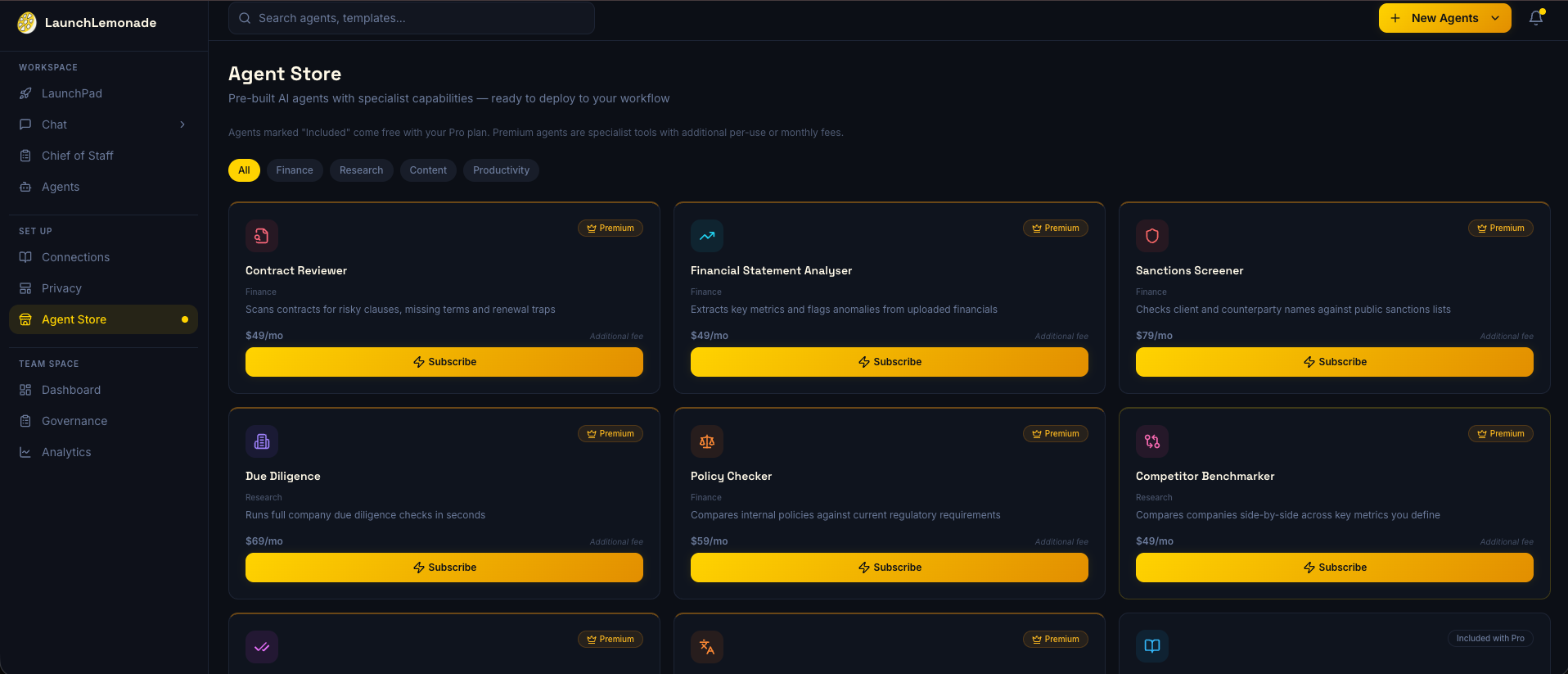
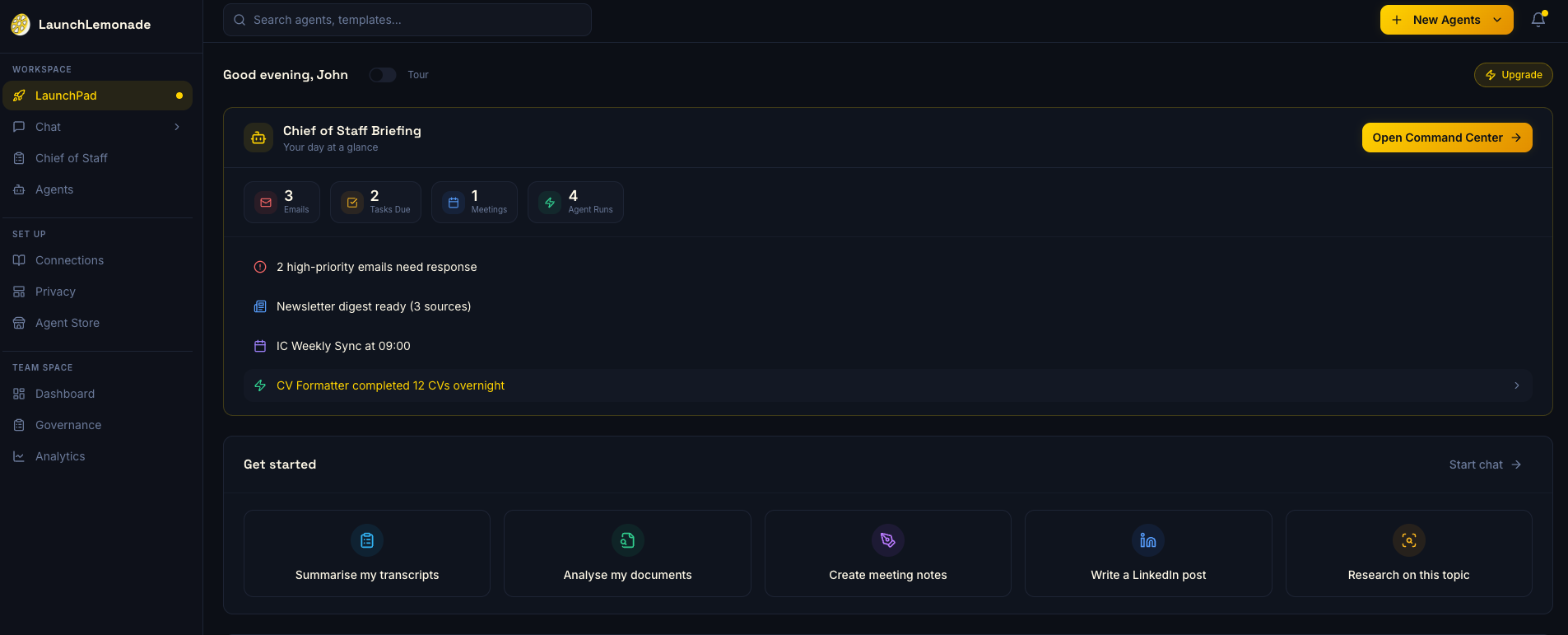
For personal projects with specific workflows, LaunchLemonade offers focused capabilities. You can create a New Lemonade designed exactly for your project needs. Choose a Model that balances capability with your budget. GPT-4 works excellently for most creative and business tasks.

By connecting simple tools in a clever way, you can design a system that works exactly the way you think, focusing on the concepts and practical steps needed to bring your first AI helper to life using a combination of tools, primarily focusing on Zapier and ChatGPT.

The platform matters less than clarity about what you need help with. Start where you feel comfortable and expand from there.

Defining Your AI Support Buddy’s Role

This is where most people get stuck. They want their AI to do everything, which means it does nothing particularly well.

List 5 to 10 tasks that are time-consuming but do not require your zone of genius. Look at your last week of project work. Which tasks felt necessary but tedious? Which activities took time without moving your project forward meaningfully?

For a content creator, your AI support buddy might handle first-draft blog outlines, social media caption variations, research summaries, and email responses to common questions. For someone building a product, it might manage feature documentation, competitor analysis, user feedback categorization, and marketing copy drafts.

Make Clear Instructions by writing exactly what you want your AI support buddy to do. Instead of saying “help with my project,” write “Draft weekly email updates for my project subscribers explaining progress, challenges, and next steps in a friendly, transparent tone.”

Specificity transforms generic AI into your personalized support buddy. The more detailed your instructions, the better your results from day one.

Feeding Your AI Support Buddy Project-Specific Knowledge

Generic AI knows general information. Your AI support buddy needs to know YOUR project.

Upload your custom Knowledge, including project plans, brand guidelines, past successful content, target audience descriptions, and any reference materials that define your project’s unique context. Tools extract, summarize, and analyze your content, then allow you to generate polished, ready-to-use deliverables in minutes.

This knowledge base is what separates an AI support buddy from a generic chatbot. When your assistant understands your project vision, target audience, brand voice, and specific goals, their suggestions become genuinely useful rather than just technically correct.

For a side business selling handmade goods, upload product descriptions, customer testimonials, your origin story, and photos of your work. For a creative project like a podcast, upload episode transcripts, listener feedback, and your content calendar.

Your AI support buddy becomes more valuable as it learns more about your specific project context. This is not a one-time upload. As your project evolves, keep adding new information that helps your assistant stay current.

Testing Your AI Support Buddy With Real Project Tasks

Theory meets reality when you actually use your AI support buddy for real project work.

Run Lemonade and Test by giving your assistant actual tasks from your current to-do list. Do not test with hypothetical scenarios. Use real work that needs doing today.

Ask your AI support buddy to draft that email you have been avoiding. Have it create three variations of your social media post. Let it summarize that long article you need to reference. Give it a real project problem and see how it responds.

66% of developers said the most common frustration with AI assistants is that the code is almost right, but not quite, with 45.2% pointing to time spent debugging AI-generated code. This “almost right” phenomenon applies to all AI work, not just coding.

Expect to refine outputs. Your AI support buddy provides solid first drafts that you shape into final versions. This is still faster than starting from scratch, but it requires your judgment and editing.

Document what works and what does not. When your assistant misses the mark, note why. Was the instruction unclear? Does it lack necessary context? Is it trying to do too much at once? Each refinement makes your AI support buddy more helpful.

Integrating Your AI Support Buddy Into Daily Project Workflows

The best AI support buddy is one you actually use consistently.

Using tools like NotebookLM to extract data from CVs and ChatGPT to generate personalized application letters, freelancers created a pipeline that applies to relevant projects automatically. This same integration thinking applies to personal projects.

Build your AI support buddy into your existing routines rather than creating new workflows around it. If you plan your week on Sunday evenings, have your assistant generate that week’s content calendar during your planning session. If you check project progress every morning, ask your assistant to summarize what needs attention that day.

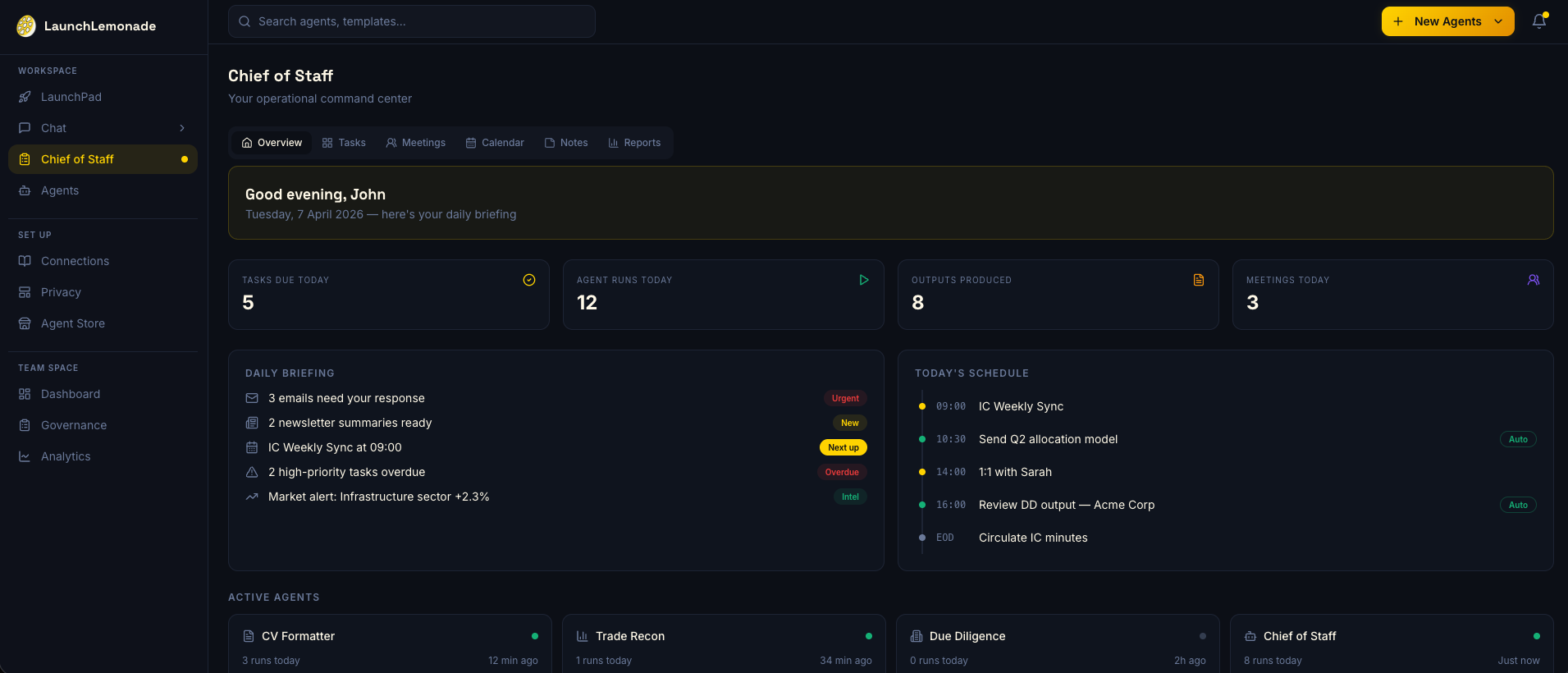
Zapier is an app that allows users to set up automated workflows across different platforms, offering integrations with over 6,600 popular apps. Connect your AI support buddy to the tools you already use so it feels like a natural part of your workflow rather than another system to manage.

For personal projects, simple integrations work best. Connect your assistant to your task manager so completed workflows naturally flow into your project board. Link it to your content calendar so drafted posts appear where you need them. The goal is to reduce friction, not add complexity.

Common Mistakes That Limit Your AI Support Buddy’s Usefulness

The first mistake is treating your AI support buddy like a magic solution rather than a tool that requires training.

While ChatGPT is surprisingly reliable for classifying commands, especially with a clear and well-structured instruction, the key is to be extremely specific in your instructions, and for mission-critical tasks, you can even add a fallback path for commands that are not classified correctly.

Another common error is overloading your assistant with too many different types of tasks immediately. Start small by automating one process and build from there. Master one workflow before adding another.

Many people also fail to update their AI support buddy as their project evolves. What worked for your project three months ago might not fit where you are today. Your assistant needs regular updates to stay relevant and useful.

Security awareness matters too. Avoid uploading confidential or financial data, use trusted services like OpenAI, Poe, and Zapier, disable model training where possible, and review app permissions regularly because security is as important as functionality.

Real Examples of AI Support Buddies for Personal Projects

A content creator building a YouTube channel created an AI support buddy that handles video description drafts, comment response templates, and content idea brainstorming. The creator still scripts and films everything personally, but the AI handles the administrative writing that used to consume three hours weekly.

A product designer working on a mobile app built an AI assistant that maintains their feature documentation, drafts user stories, and summarizes user feedback from multiple sources. The designer focuses on actual design work while the AI keeps documentation current.

A small business owner launching handmade jewelry online uses their AI support buddy for product description variations, email marketing drafts, and social media content planning. The owner photographs products and fulfills orders while AI handles most written content creation.

These are not people replacing themselves with AI. They are solo operators giving their personal projects the operational support that used to require hiring help they could not afford.

Measuring Whether Your AI Support Buddy Actually Helps

The value of your AI support buddy shows up in measurable ways.

Track specific metrics before and after implementation. How many hours weekly do you spend on tasks your assistant now handles? How many pieces of content do you produce at the same time? How often do administrative tasks delay your creative work?

Automating repetitive tasks allows you to deliver projects faster, leading to increased client satisfaction and potentially higher earnings. AI-generated work is often more consistent and less prone to errors, resulting in higher-quality outputs, and by offloading mundane tasks to AI, you can focus on the more creative and challenging aspects of development, such as designing innovative solutions and solving complex problems.

These benefits apply equally to personal projects. Faster output, better consistency, and more time for creative problem-solving transform what one person can accomplish alone.

Beyond numbers, notice how your relationship with your project changes. Do you feel less overwhelmed? Are you making progress on the parts you have been avoiding? Is the project more enjoyable when the administrative burden decreases?

Your AI support buddy succeeds when it removes friction between your vision and execution. If you are moving faster and enjoying the work more, the assistant is working.

Growing Your AI Support Buddy Alongside Your Project

As your personal project grows, your AI support buddy should evolve with it.

Your brand voice may get sharper, more playful, or more niche over time, and your assistant should grow with you, requiring updates when your tone shifts. Regular refinement keeps your assistant aligned with your current project direction.

Add new capabilities gradually. When you master content drafting assistance, add research summarization. When research works smoothly, add project documentation to help. This staged growth prevents overwhelm while continuously expanding what your AI support buddy handles.

As freelancers take on more clients, AI helps them scale by managing multiple projects more efficiently. The same principle applies to personal projects. As your project scope expands, your AI support buddy scales with you without requiring dramatically more of your time.

Eventually your personal project might grow into something bigger. The AI systems you built to support solo work can expand to support a small team, maintaining consistency as you grow.

Making Your AI Support Buddy Feel Like a Real Teammate

The psychological benefit of an AI support buddy goes beyond time savings.

Working alone on personal projects can feel isolating. You make every decision, handle every task, and carry the entire mental load yourself. An AI support buddy does not replace human connection, but it does reduce the feeling of being completely on your own.

The irony is that automating parts of business has helped people feel more human in it again because AI and automation are not about replacing yourself but about removing the noise, the stuff that slows you down and burns you out, so you can focus on the work and the life you want.

Give your AI support buddy a name if that helps. Create a consistent interaction style. Build a relationship with this tool the same way you would break in a new piece of equipment until using it becomes second nature.

The goal is to make your personal project feel less like a solo struggle and more like a collaborative effort, even when you are still the only human involved.

Your Path to Building Your First AI Support Buddy

You do not need technical skills, a big budget, or weeks of setup time. You need clarity about what tasks drain your energy and the willingness to spend a few hours building your first AI support buddy.

You do not need to code, you do not need to hire a developer, you just need a strategy and a few hours of focused setup. Start this weekend. Pick one task that takes you an hour weekly but does not require your unique creative input.

Build an AI assistant specifically for that task using LaunchLemonade or another no-code platform. Create clear instructions. Upload relevant context about your project. Test it with real work. Refine based on results.

When that first automation works smoothly, add a second task. Then a third. Within a month, you will have built yourself an AI support buddy that handles multiple aspects of your personal project, giving you back hours weekly to focus on the work only you can do.

Your personal projects deserve support, even when you are working solo. Build yourself the teammate you need.

Try LaunchLemonade now.

To stay updated with us, please follow our Facebook, Instagram, LinkedIn, Threads, TikTok, X, and YouTube pages.

More Posts

The zesty platform for building, sharing, and monetizing AI agents that actually convert prospects into revenue.

Fresh‑pressed updates

Get zesty AI insights and revenue-generating strategies delivered weekly.

Copyright © 2025 LaunchLemonade. All Rights Reserved.